
Psychotherapy in English for anxiety and panic — Milan and Monza
I'm Giuseppe Iannone, a psychologist and psychotherapist. I work with anxiety, panic attacks and agoraphobia, in English and in Italian. I see people in Milan — Citylife and Bicocca — in Monza, in Cernusco sul Naviglio, and online. Many of them moved here from somewhere else. The first consultation is a chance to understand together what is going on, with no obligation to continue.
Common situations
Does this sound familiar?
Anxiety, panic, burnout: you do not need the right word for what you are feeling. Sometimes it is enough to recognise yourself in someone else's, and start from there.
From the outside everything looks fine: the job, the people, the plans. Inside it is not. And putting that into words is the hardest part.
Stress and burnout
I wake up tired before the day has started. Every morning the same, as though the night had not put anything back where it belongs.
Rumination
I turn the same thing over and over and put off deciding, until it stops being a decision and becomes an emergency.
Anxiety and anxiety disorders
My heart races for no reason I can point to. I know perfectly well that nothing is wrong. My body does not believe me and keeps bracing for something.
Relationship difficulties
I say yes to everything so nobody is let down. Then there is nothing left over for me — no time, no energy.
Panic attacks
I walk into a room and I have already found the nearest way out. Just in case. Even when nothing ever happens.
A possible path
It hasn't always been like this. And it doesn't have to stay.
Welcome
A path built around you
I'm Giuseppe Iannone, a psychologist and psychotherapist. I work with anxiety, panic attacks and agoraphobia, in English and in Italian. I see people in Milan — Citylife and Bicocca — in Monza, in Cernusco sul Naviglio, and online. Many of them moved here from somewhere else. The first consultation is a chance to understand together what is going on, with no obligation to continue.
- Anxiety and anxiety disorders
- Panic attacks and agoraphobia
- Depression
- Sexual dysfunction
- Stress and burnout
- Relationship difficulties
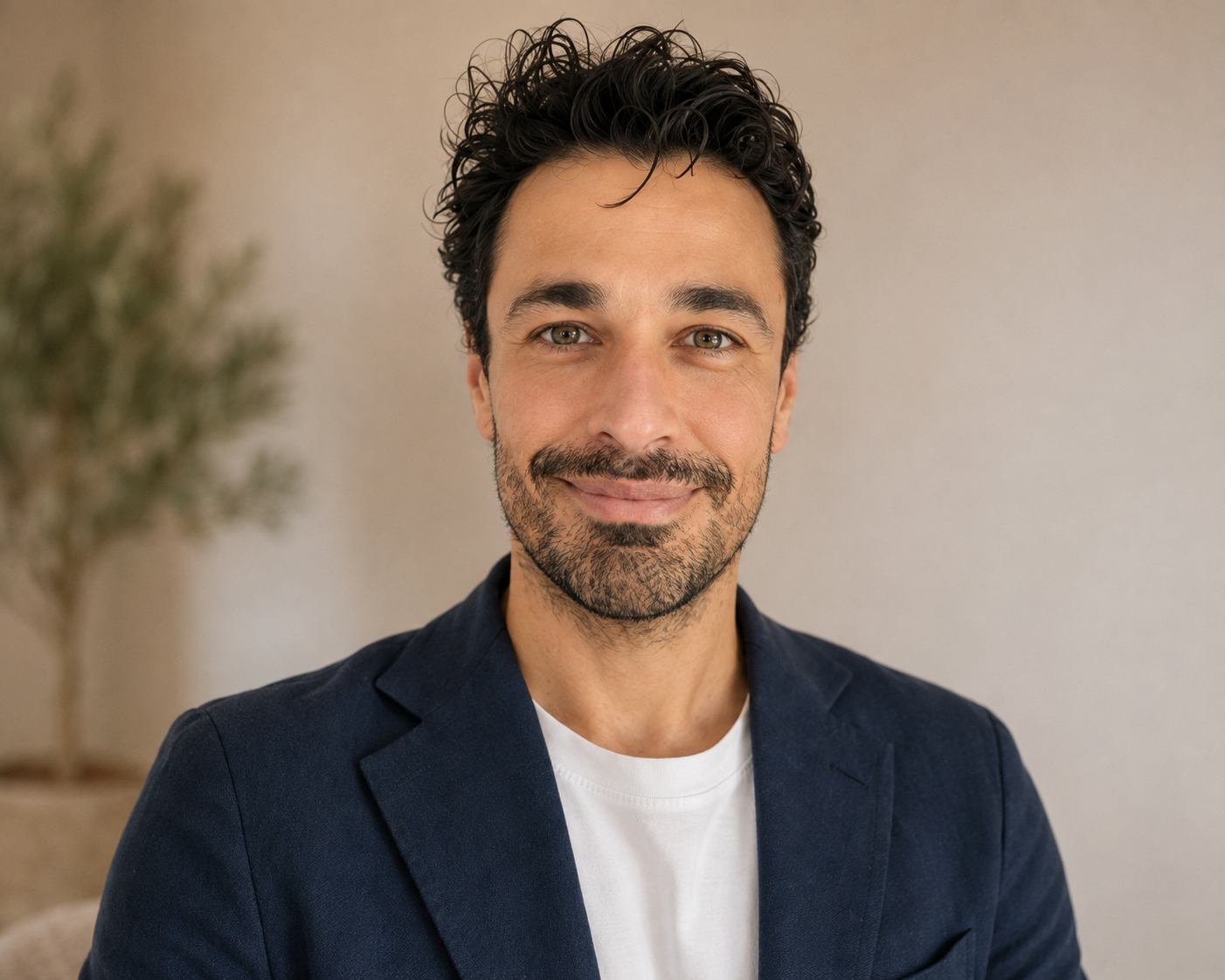
Giuseppe Iannone
Psychologist, Psychotherapist and Sexologist
Albo Lombardia n. 18949
Training and experience
The path so far
13
years of clinical practice
Since 2013, between private practice and continuing training.
18
years of training
A degree, a research master's, a specialisation — and it has not stopped since.
5
locations, including online
Milan Citylife and Bicocca, Monza, Cernusco sul Naviglio.
IT / EN
Italian and English
Sessions in either language, in person or online.
Areas of focus
What I work with: anxiety, panic, and stress
Mostly anxiety and what tends to arrive with it — panic attacks, agoraphobia, stress, difficulties in relationships. Every course of work starts from what you bring, not from a standard protocol.
- Anxiety and anxiety disordersWhen worry becomes constant and takes over your days, even without a clear reason.
- Panic attacks and agoraphobiaThe body that suddenly sounds the alarm, and the places you start avoiding just in case.
- DepressionWhen energy and interest fade, and even simple things take real effort.
- Sexual dysfunctionDifficulties with intimacy that are often tangled up with anxiety, stress, and the relationship itself.
- Stress and burnoutWhen tiredness stops going away with rest, and work takes up all the space.
- Relationship difficultiesIn relationships that matter, when communicating feels exhausting or you always feel like an afterthought.
The path
How a course of therapy works
First contact
You write on WhatsApp or by email, whichever suits you. I answer within 24 hours.
First session
Forty-five minutes to understand what is going on. It is already clinical work, not an introduction.
Working together
We agree what we are aiming at and how often to meet. In person, online, or alternating between the two.
Toward not needing it
We look at where the work has got to, and at the point where it stops being necessary.
Pricing
What a session costs
Individual
45 minutes, in person and online
€100
Couple
60 minutes, in person and online
€130
You do not need to know where to start.
The first step is a message, nothing more. From there we work out together what might help, with no obligation to carry on. I answer within 24 hours.
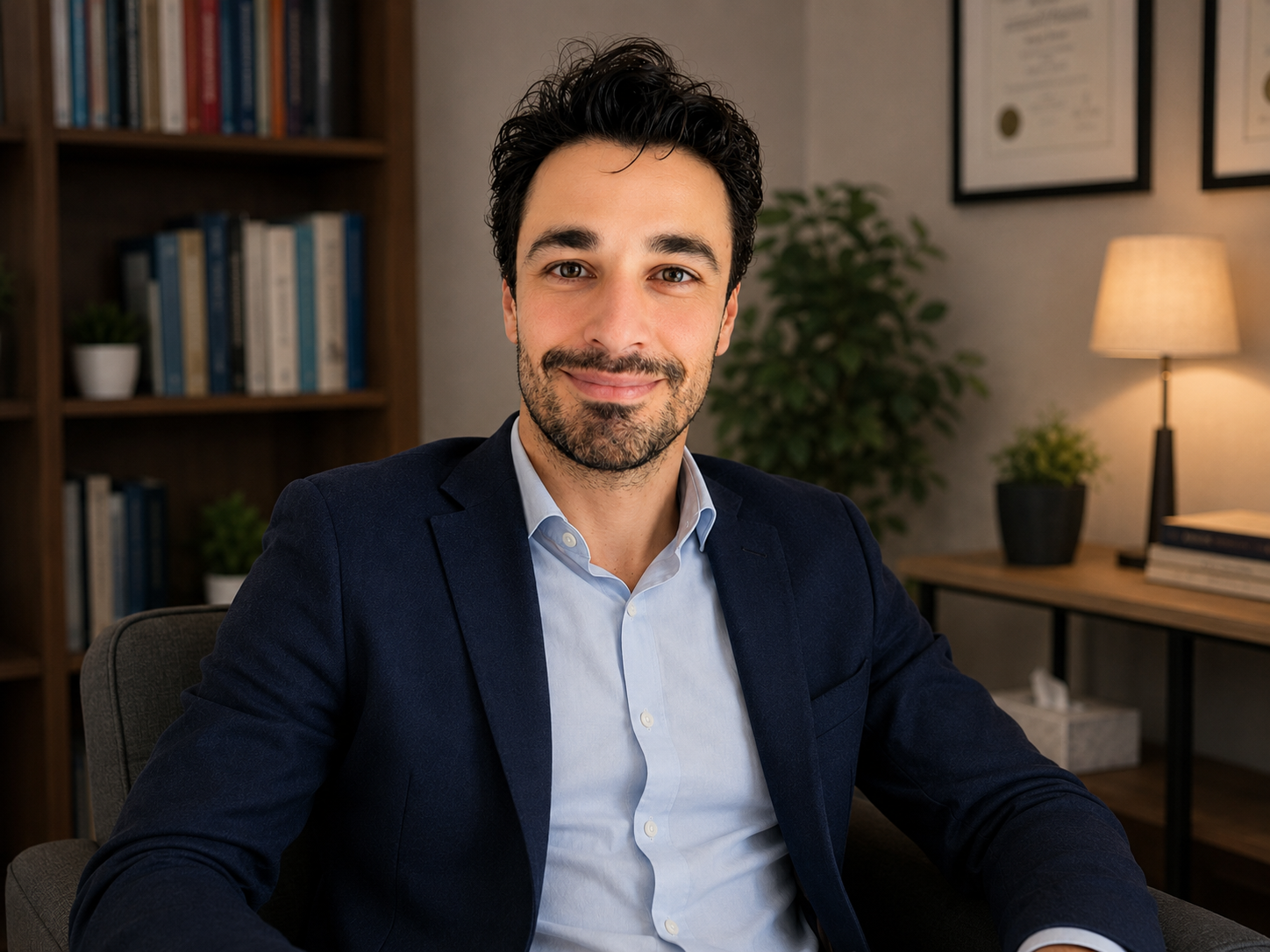
About me
I do not do a bit of everything. I work with anxiety and panic
I studied Cognitive and Clinical Neuroscience at Maastricht University and worked as a researcher on the mechanisms of anxiety and panic. Then came the specialisation in Cognitive-Neuropsychological Psychotherapy, and clinical work on psychiatric wards between Milan and Brescia.
I work in English as readily as in Italian. Most of the people I see came to Milan from somewhere else — for work, for study, for someone — and I have lived abroad myself. It taught me how much it matters to be able to say a difficult thing in the language you actually think in.
Today I work with anxiety and panic and the difficulties that travel with them. In Milan, in Monza, in Cernusco sul Naviglio, and online.
Qualifications and training
The documents my work is built on
Each qualification can be viewed in full. Some personal details have been redacted; dates, institutions and signatures remain as on the original.
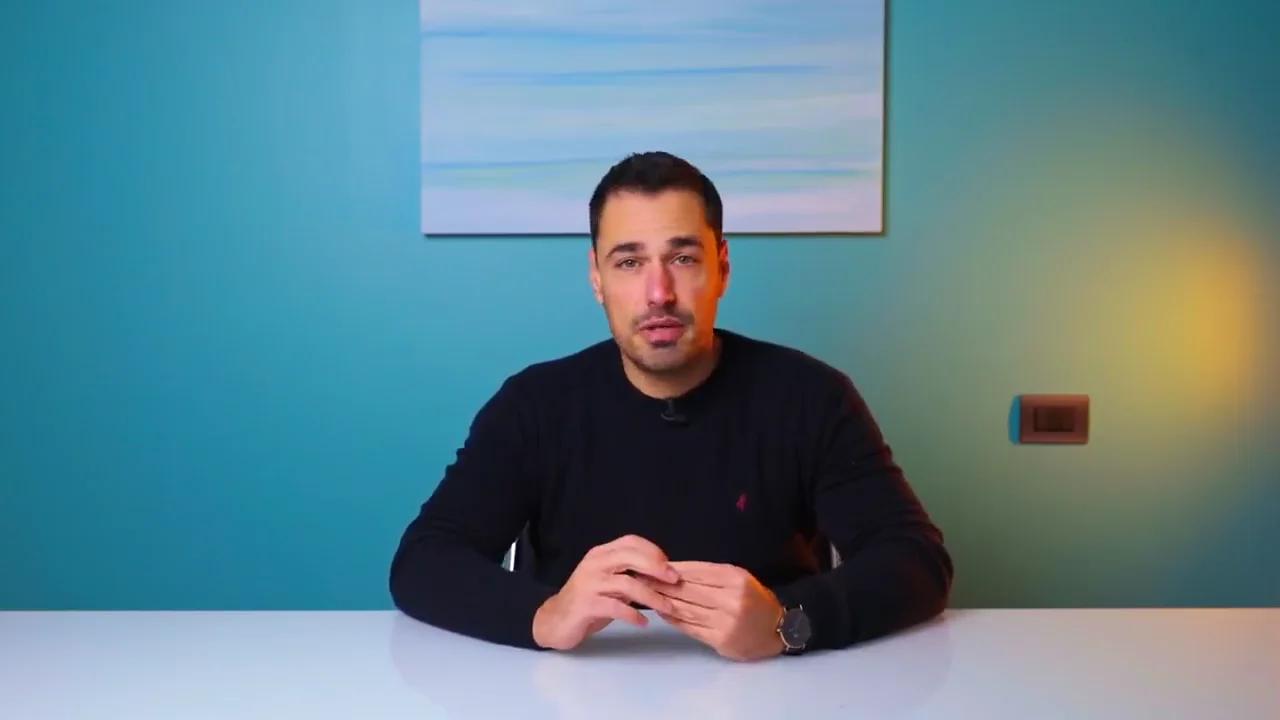
THE FIRST SESSION
See how I work before you write to me
A short video, so I am not a stranger. Watch how a first meeting goes and see whether it feels workable — who you do this with matters more than anything else.
WHERE WE MEET
Sessions, in person or online.
Two practices in Milan, one in Monza and one in Cernusco sul Naviglio. Online sessions run the same length and cost the same as those in person, and can be held in English or in Italian.
Milano
Monza
Cernusco sul Naviglio
- OnlineSame length, same fee.

Dr. Giuseppe Iannone — Psychotherapist
FIRST STEP
Write me a few lines and we'll find where to start.

Anxiety · 29 Jul 2026
Couples far from home, and the risk of isolation
When a couple lives far from family, friends and their own social network, the risk is not only loneliness. The real problem is that the partner ends up being the only source of emotional support, company and security. This increases the weight the relationship carries, encourages conflict, creates…

Stress · 28 Jul 2026
Histrionic or borderline? Two different needs
The histrionic personality — the older term was "hysterical" — and the borderline personality can look very alike. In both, people experience intense emotions, have complicated relationships, and can seem theatrical or impulsive. Beneath the surface, though, there are important differences. The most…

Life changes · 23 Jul 2026
Why do I always need reassurance?
Have you ever felt awful because someone took too long to reply to a message? Or noticed immediately that your partner's tone of voice was different, their look colder, that they seemed distant — even though they said everything was fine? If you recognise yourself in this, it does not necessarily me…
Forty-five minutes in which you tell me what is going on. It is there to understand what you are asking for and to work out together whether and how to continue. It commits you to nothing.
Forty-five minutes for individual sessions, sixty for couples. The same in the studio and online.
Yes, and a substantial part of my practice is in English. Working in a second language is worth thinking about rather than assuming it is neutral: for some people English is where they are most precise, for others their emotional vocabulary belongs elsewhere. Both are workable, and we can look at it directly.
No, and most people do not. It is ordinary to arrive without knowing where to begin. I ask the questions.
An individual session lasts 45 minutes and costs €100. A couple session lasts 60 minutes and costs €130. The fee is the same in the studio and online, at every location.
Usually within 24 hours. WhatsApp is quickest; email works if you would rather write at more length.
I am not a physician and I do not prescribe. Where a course of medication is already in place I work alongside whoever prescribed it; where it is worth assessing, I say so and point you there.
No. In Italy you can contact a psychologist in private practice directly — no referral letter, no going through a GP first. If you come from a system where mental health care starts elsewhere, that is one of the practical differences.